I don’t read quite as much as I did at one point in my life, but I continue to love reading and learning. As always, I try to read more broadly than just my academic discipline suggests I should. I don’t want to be presumptuous and assume anyone is wondering why I haven’t posted a list by this time, but in case you are interested, I have read some outstanding books in the past year. I was asked by a very fine Point graduate when I had breakfast with him last week, “What have you read that I need to read?” Here are some books that I think might be of interest. They are in no particular order, either in terms of the order in which I read them or of preference.

“Son, We Need to Talk”: Coping With My Son’s Suicide. Written by a great preacher and scholar, LeRoy Lawson, this is a moving account of his life as a preacher and college president when his son died by suicide. I was asked to write a blurb for the back cover, and this is part of what I wrote: “LeRoy Lawson’s poignant conversation with his late son, Lane, is among the most moving sagas I’ve ever read. Somehow, he manages to write in a way that one feels pain, hope, joy, and struggle in nearly every single sentence.” (Cascade Books)
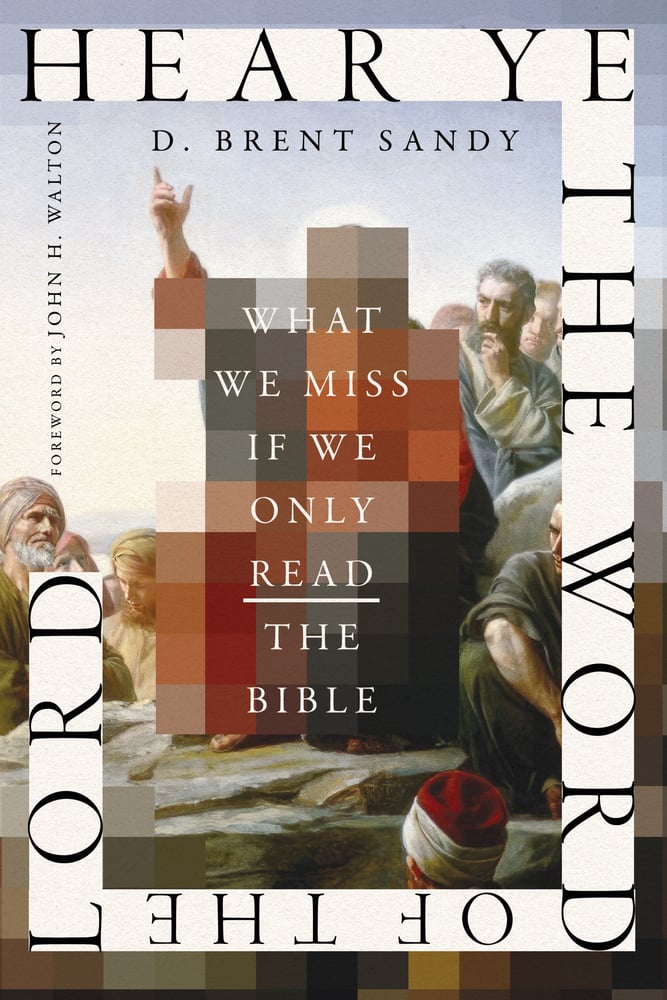
Hear Ye The Word of the Lord: What We Miss If We Only Read the Bible. Written by D. Brent Sandy, with a foreword by John H. Walton. Walton says, “We must recognize and factor into our reading: we must bridge the modality gap between the written word and the oral word.” The premise of the entire book revolves around the idea that long before it was written down, Scripture came to us orally. The list of “practical applications” opportunities in the final chapter is worth the price of the book – assuming we want to hear, not just read, Scripture. (IVP Academic)

Jesus and the Powers: Christian Political Witness in an Age of Totalitarian Terror and Dysfunctional Democracies. In some ways, reading this book by N.T. Wright and Michael F. Bird is like reading a 30,000-foot overview of church history. But in the end, they conclude, “while government is good, the authority of the state needs to be limited. No state apparatus should aspire to be all-powerful. In the quest for a good and just state, we have set forth the case for liberal democracy and an ethos of confident pluralism.” When reading this book, paying attention to how words are used is important. For example, in the phrase “liberal democracy” in the quoted sentence, “liberal” does not mean what it typically means in American political bantering. (Zondervan)
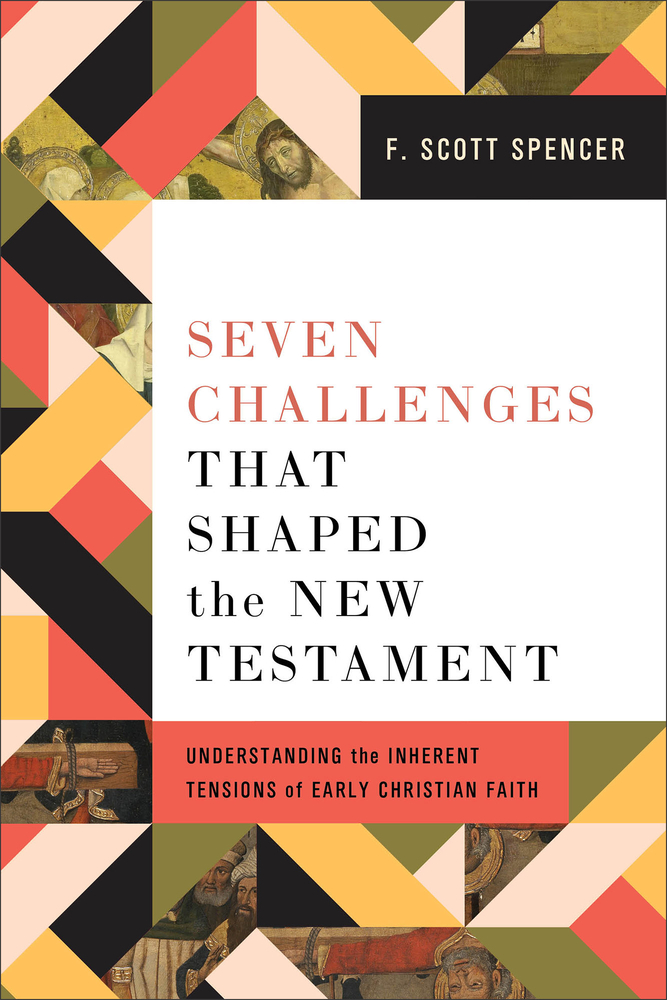
Seven Challenges That Shaped the New Testament: Understanding the Inherent Tensions of Early Christian Faith. Written by F. Scott Spencer, seven “areas of tension” are identified as having impact on the shaping of the New Testament: historical, moral, political, material, social, perceptual, and temporal. The words of the New Testament didn’t just show up in the inboxes of early believers as an otherworldly missive from God. They were written by Holy Spirit-inspired authors living in the real world of real tension. The chapter on temporal tension could, in some ways, help the average church leaders deal with “scoffers” with questions about delay (as 2 Peter 3 describes this tension) that seem to regularly be on the minds of lots of us. (Baker)
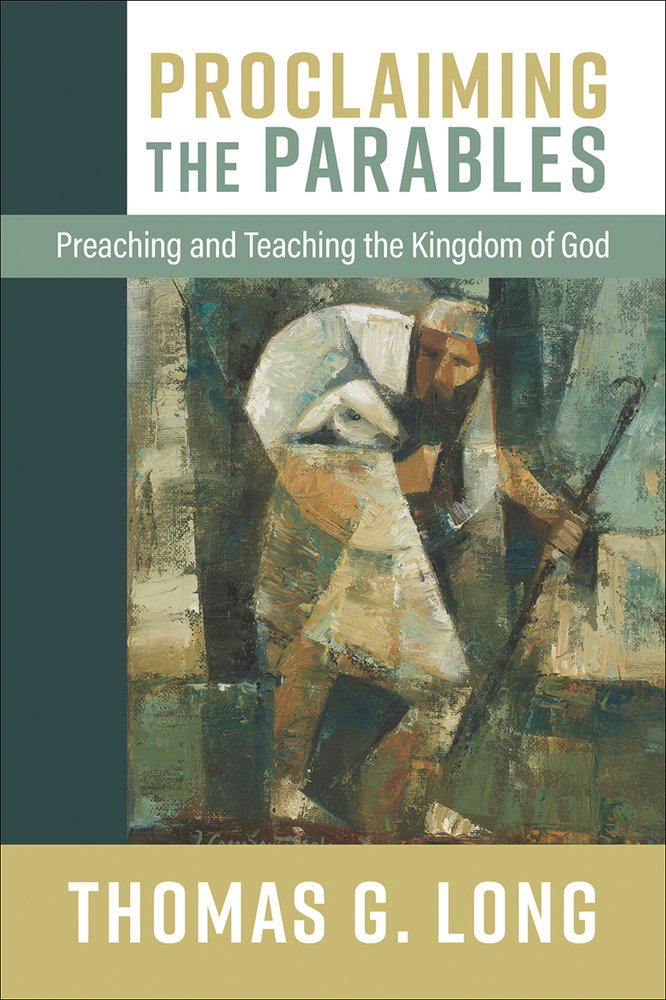
Proclaiming the Parables. Written by scholar and preacher Tom Long, this is hands-down the most intriguing book I have ever read on the parables. He will say things you have never heard before or thought about, but he does so in the context of a lifetime of careful study of these magnificent stories that Jesus left behind for His people. He pushes back on our tendency to try and tame the parables into manageable bits of moral advice and insists that they are kingdom stories that usher in the presence of the kingdom of God when read and understood properly. (Westminster John Knox Press)
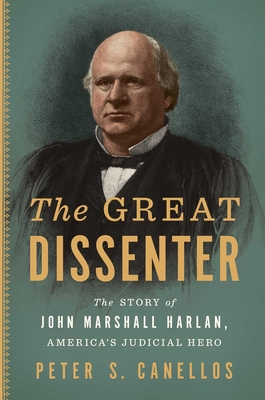
The Great Dissenter: The Story of John Marshall Harlan, America’s Judicial Hero. Peter S. Canellos tells an amazing story of the influence of one Supreme Court justice, John Marshall Harlan, who served on the court from 1877 to 1911. Even today, three major cases of that era, in which he dissented from the court’s ruling (on two of them, he was the only dissenter) have played important roles in modern American jurisprudence. For example, Harlan’s dissent in Plessy v. Ferguson was key evidence in the 1954 ruling in Brown v. Board of Education. Harlan’s upbringing is an amazing story – one filled with moments of “how did that ever happen?” (Simon and Schuster)
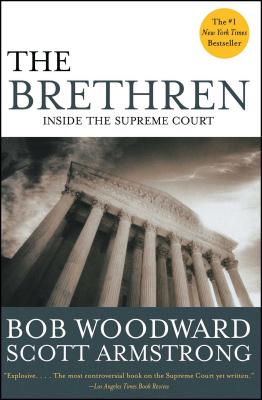
The Brethren: Inside the Supreme Court. This is a behind-the-scenes look at the United States Supreme Court, set in the 1960s and early 1970s. These are the Nixon years, Chief Justice Earl Warren has retired, and Chief Justice Warren Berger is the new leader of the court. If you’re my age, then you remember what a tumultuous time in history this was. Bob Woodward and Scott Armstrong tell a fascinating story of how people I remember on the court operated and how decisions that impacted my life were made. I won’t say that Woodward is my favorite author, but I will say this was fascinating if things like the Supreme Court interest you. (Simon and Schuster)
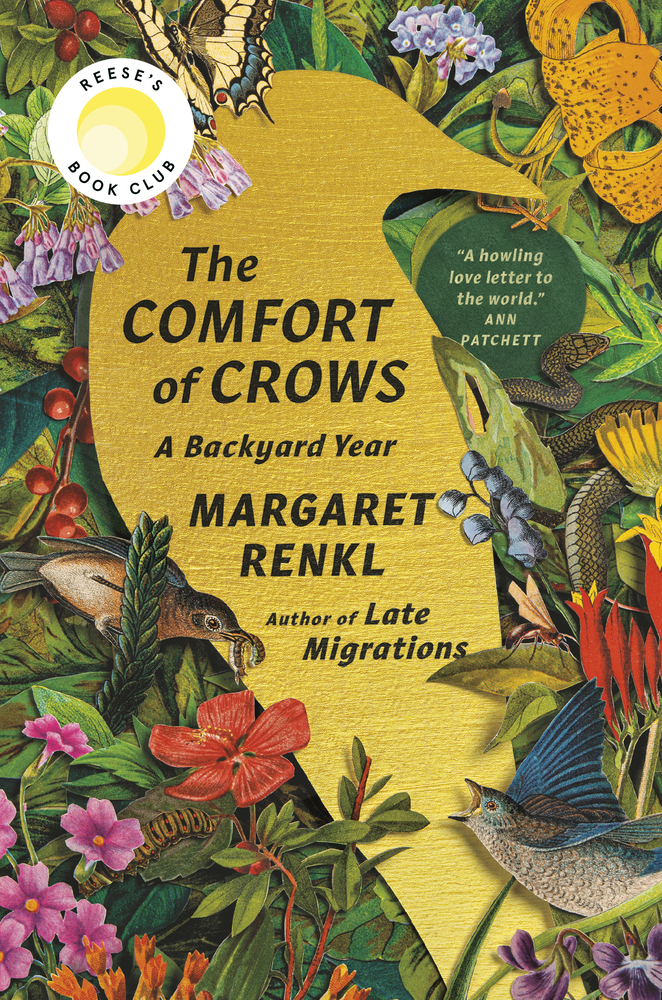
Late Migrations: A Natural History of Love and Loss and The Comfort of Crows: A Backyard Year. These two books were written by Margaret Renkl, a graduate of Auburn University and the journalism school at The University of South Carolina. She is an opinion essay writer for the New York Times and is published in other places as well. I’m not sure what her personal faith is – but I will say, as I read through these two wonderful books, focused on creation in so many ways, I kept thinking that she must believe “the heavens declare the glory of God.” If you have lost a loved one, these two books could be good therapy. (Milkweed Editions (Canada) and Spiegel and Grau, New York)
The Widening of God’s Mercy: Sexuality Within the Biblical Story. This book was written by Christopher B. Hays, an Old Testament scholar, and his father, Richard B. Hays, a New Testament scholar. Many will find ideas with which they disagree in this intriguing book. What I hope no one will disagree with is their notion that God is merciful to His creation. Richard Hays wrote The Moral Vision of the New Testament back in 1996. It is an amazing book well worth reading and studying. They wrote this book in response to what they believed to be a less-than-merciful use of some of the material in The Moral Vision. I’m not suggesting that you will agree with all of their conclusions – they are talking about the complicated idea of “sexuality within the biblical story,” after all. I am suggesting that the book is more than worth the time it takes to read it. (Yale)
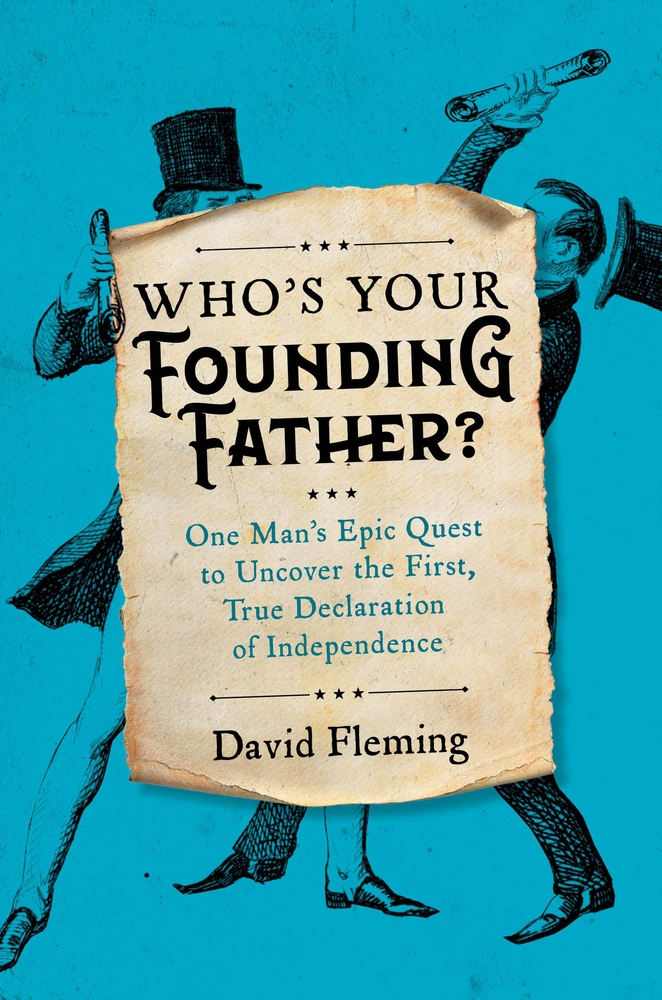
Who’s Your Founding Father?: One Man’s Epic Quest to Uncover the First, True Declaration of Independence. Written by David Fleming, this is a whimsical – but maybe true? – story about The Mecklenburg Declaration, signed on May 20, 1775, by a group described as “a misfit band of zealous Scots-Irish patriots, whiskey-loving Princeton scholars, and a fanatical frontier preacher.” The claim of David Fleming is that John Adams eventually discovered that Thomas Jefferson actually “plagiarized the MecDec while composing his own, slight more famous Declaration, and then, as he was wont to do, covered the whole thing up.” Billy Graham himself preached a rousing sermon before 105,000 on the 200th anniversary of the signing of the MecDec. Multiple presidents, including Wilson and Eisenhower, spoke at celebrations of this mysterious document. This is a fun read. I’ll leave it to you to decide if you think Jefferson plagiarized. If he did, he certainly isn’t the last American politician to have done so. (Hachette)
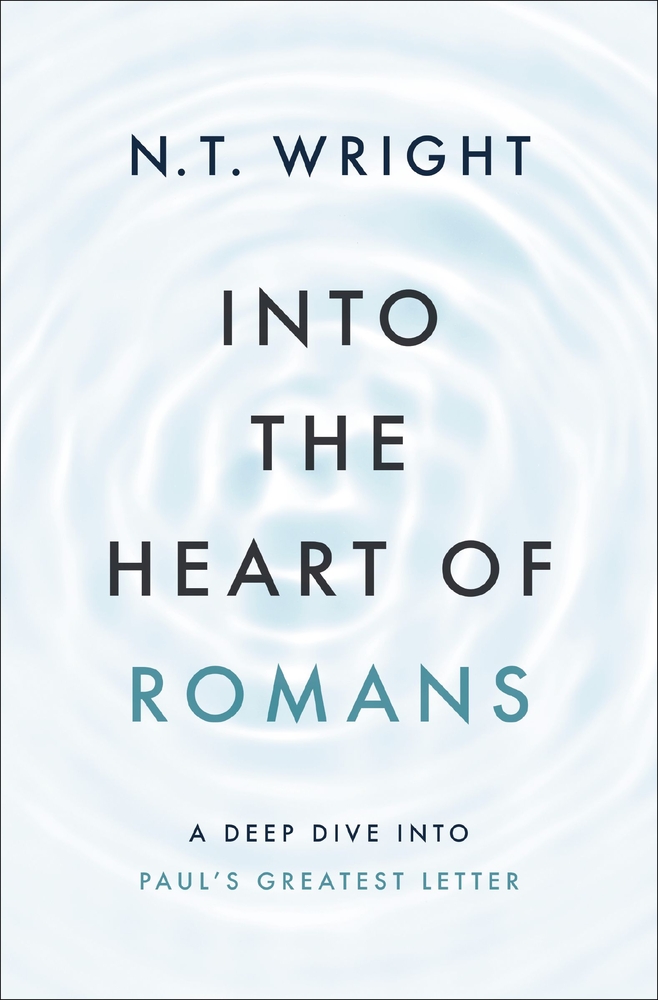
Into the Heart of Romans: A Deep Dive Into Paul’s Greatest Letter. Written by N.T. Wright, this is just over 250 pages on Romans 8, which he calls “the heart of Romans.” It is masterful, or as Richard Hays said, “a master class in close reading of Scripture.” I have often said that Romans is like a tightly knit city of neighborhoods where you need to ride down every street to get from one neighborhood to the next. This commentary not only makes me think that is a fair description of Romans, but perhaps you also need to at least take a freeway ride to neighborhoods outside of Romans. Romans 8 impacts the entire way we understand Jesus and the gospel He came to preach. This is simply one amazing resource for any who believe that understanding the big theological ideas of Scripture is essential to being a faithful witness to the Jesus story. (Zondervan Academic)
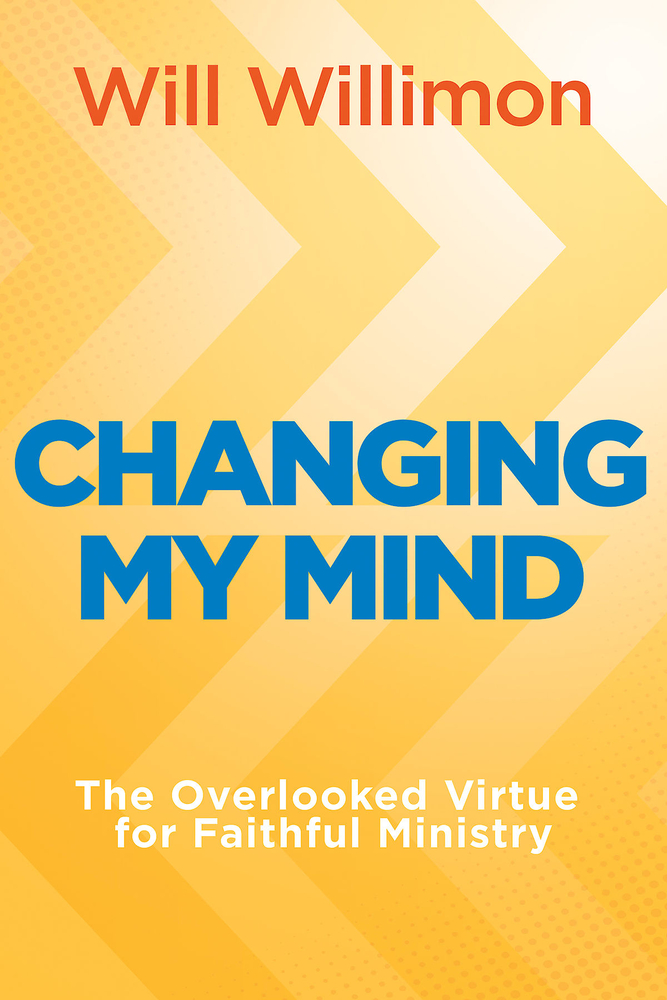
Changing My Mind: The Overlooked Virtue for Faithful Ministry. One reviewer describes this book as “It’s messy. It’s moving. It’s playful and a bit cranky . . . but it’s faithful.” It is an unusual sort of running commentary on 1 and 2 Timothy as Willimon lets Paul encounter his own experiences in ministry. You won’t agree with all that Willimon declares. But he will shake up some of the spider webs in those unused places in your brain and make you think. Here is one of my favorite paragraphs in the book: “Heresy hurts. Christianity is more than a set of helpful, healthy practices. It’s first of all a word about God, who God is, what God’s up to in the world, an external word that usually doesn’t make sense when we first hear it, a word that have never easily found a home in the world.” (Abingdon)
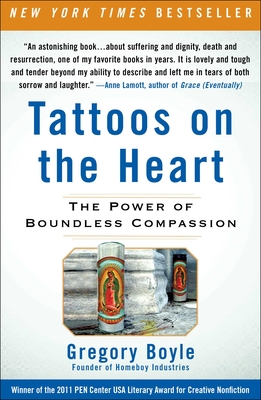
Tattoos on the Heart: The Power of Boundless Compassion. Father Gregory Boyle is the founder of Homeboy Industries, a “gang redemption” ministry in the Boyle Heights neighborhood of Los Angeles, a neighborhood he calls “the gang capital of the world.” You can go from laughter to tears in the same paragraph. You can’t read it without realizing what a desperate world some people are born into, with no choice of their own, and with such limited hope of escape. Yet Boyles, who seems to be the male version of Mother Teresa as a Jesuit priest, seems to exude hope. This may be the most convicting book I’ve read, not just this year, but in a while. Of course, he and I would have some important theological differences, but I think I’ll go with Paul in Philippians who could dare say, to those with which he had issues, “at least Christ is being proclaimed.” We non-Catholic evangelicals could learn much from Gregory Boyle. (Free Press)
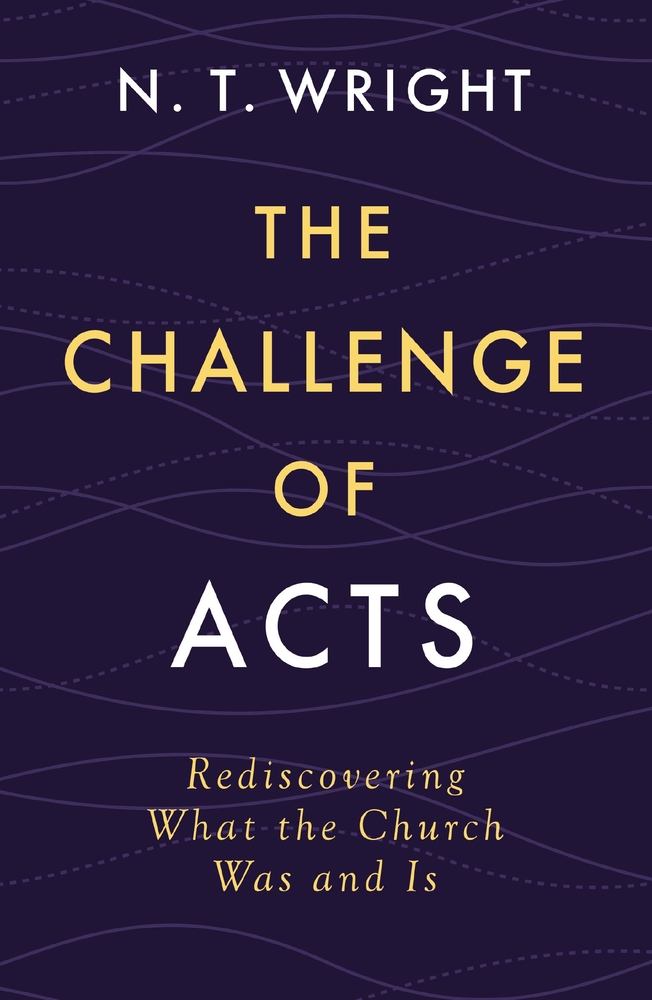
The Challenge of Acts: Rediscovering What the Church Was and Is. I still remember my first serious academic study of Acts. It was very focused on detailed doctrinal implications about what first-century Christianity looked like. What I missed in that study was the overarching breadth of the story Luke is telling: from eleven frightened men hiding in an upper room at the beginning to ending with kingdom outposts all over the Greco-Roman world, with its chief missionary in jail preaching to (and converting) any and all who would listen, including some of the emperor’s guards. N.T. Wright’s book is not so much a commentary on Acts as it is a reminder not to miss the big story as you look at parts of the story. It develops key themes – in nine very readable chapters. I wish I had such a book available to me a long time ago. (Zondervan Academic)
I hope this is helpful, and I’d love to hear about books you’ve enjoyed recently!
Image by Mirko Stödter from Pixabay
 Wye Huxford
Wye, First, a word of thanks. I was touched that you led off your list of must-read books with Son, We Need to Talk. I was especially happy to see it listed in advance of my talks on preaching there later this year, because what I’m hoping to do above all else in those presentations is to encourage the preaching students to keep on keeping on, which I think is the major message of my book about Lane. If even a few of the students will have read the book before going on retreat, they’ll be prepared to hear what I’m saying. So thanks again. Secondly, to complain. You are an expensive friend. I’ve already added eight books from your list to my Kindle queue. I had only read two of your recommendations: The Brethren and The Widening of God’s Mercy, which you recommended earlier (and which I’ve also recommended to others). BTW, this morning’s NYT news reported the death of Richard Hayes, only in his 70s, of pancreatic cancer. He got this book to market just in time. I’m glad. OK, I’m through griping. Back to the grateful mode. I’m working on the retreat talks and finding the assignment really enjoyable. It has been fun to recollect on the lessons I’ve learned in 65 years of preaching. Can’t condense everything into just three presentations, but I’m hoping the Q&A time will allow me to sneak in a few more. Thanks again for sending this assignment my way. We’ve been snowbound for a few days. This has been one of our area’s deepest dumpings ever, I guess. It seems to have hit harder in part because the freezing temperatures linger on, so we have white piles everywhere. A good excuse to stay home and read. At the same time, we’re following the California wildfires carefully, dishearteningly, because we have friends there. No close ones have been hit yet, but the Santa Anas are non-discriminating and relentless, so we have many anxious days ahead of us. Death toll reached 16 today, and who knows how many are homeless. There will be many, many more losses. (Interestingly, both Mexico and Canada have sent relief workers–a pretty positive response to Trumps threats on tariffs and deportations, don’t you think?) It’s a good thing climate change is a fiction; otherwise there could be real consequences. Hope you’re off to a good start in 2025. Thanks again. How grateful I am for you. Roy
LeRoy Lawson509 Elm Creek DriveWentzville, Missouri 63385714-329-6212
LikeLike
Roy – thanks for your kind words. I have given away a few copies of “Son, We Need to Talk” and recommended it in multiple places. I still remember the night I started reading it – honestly a bit reluctantly because of my own grief – but ended up staying up most of the night reading. I think I shared with you that I sent a few quotes to my two daughters where the idea of “you’re the one who taught me to think for myself” enters the picture. They will still comment on that in crucial moments! Thanks for commenting on the post – if you approve, surely others will think, “I should look at this!!”
LikeLike